
Supporting lactating sows: Feed Intake, Recovery and Long-term performance
Lactating sows face heat challenges throughout the year
Heat stress is often associated with summer conditions, but lactating sows can experience heat-related challenges throughout the year. High humidity levels combined with relatively moderate temperatures can already reduce comfort, feed intake and overall performance. The farrowing house therefore requires careful climate management regardless of the season. Based on Lactating sows. Because lactating sows produce large amounts of metabolic heat while supporting milk production, even small increases in environmental temperature can place additional stress on the animal. Maintaining optimal conditions therefore depends on a combination of housing, feeding and nutritional management.

Farm Management has the greatest impact
Effective management remains the most powerful tool for helping lactating sows cope with elevated temperatures. While ventilation settings and cooling systems can contribute to a more comfortable environment, their effectiveness depends on how they are applied. For example, cooling strategies that increase humidity without sufficiently lowering the actual temperature may reduce the sow's ability to dissipate heat and can ultimately become counterproductive. As illustrated in Figure 1, both temperature and humidity influence the level of heat stress experienced by the sow. Based on Lactating sows.
Because pigs have limited mechanisms for regulating body temperature, maintaining an appropriate barn climate throughout the year is essential for supporting feed intake, milk production and overall performance.
Consistency is more important than constant adjustment
Periods of higher temperature often lead producers to modify feeding schedules and feeding frequency. However, not every adjustment automatically improves results. Increasing the number of feeding moments can stimulate extra activity within the farrowing house, while simply shifting feeding times to later in the day does not necessarily eliminate the impact of accumulated heat.
In practice, maintaining a consistent feeding strategy that supports appetite and regular feed intake is often more beneficial than making frequent adjustments in an attempt to maximise daily consumption.
Focus on appetite rather than maximum intake
The primary goal during challenging conditions should be to keep lactating sows eating consistently. Modern sows have the ability to temporarily utilise body reserves to support milk production and litter growth. This natural capacity provides a degree of flexibility when feed intake is temporarily reduced.
For this reason, maintaining appetite is often more important than pursuing the highest possible feed intake every day. A short-term reduction in feed consumption is generally less harmful than pushing a sow beyond her comfort level and risking prolonged feed refusal. Once feed intake drops dramatically for several days, the effects can extend beyond the current litter and influence future reproductive performance and sow longevity. Based on Lactating sows.
Recovery begins immediately after weaning
The impact of reduced feed intake during lactation does not end when the litter is weaned. Sows that have mobilised significant body reserves require sufficient recovery before entering the next reproductive cycle.
Regular assessment of body condition at weaning allows producers to identify animals that require additional nutritional support. By adapting recovery programmes to the condition of individual sows, body reserves can be restored more effectively, helping to support long-term productivity, reproductive performance and herd longevity.
Nutritional strategies to support lactating sows
While effective climate management remains the first line of defence, nutrition can play an important role in helping lactating sows maintain feed intake, milk production and overall performance. Because lactating sows may experience heat-related challenges throughout the year, nutritional support should be viewed as a year-round strategy rather than a seasonal intervention. Based on Lactating sows.
Start with the right fibre balance
Digestive health remains the foundation of successful lactation feeding. Selecting the appropriate combination of fibre fractions helps maintain gut function, supports regular manure consistency and reduces the risk of constipation.
Not all fibre sources have the same impact on the animal. Highly fermentable fibres generate more metabolic heat during digestion, whereas more inert fibre sources generally produce less internal heat. For lactating sows, achieving the right balance between gut health support and minimising unnecessary heat production is therefore essential. Based on Lactating sows.
Focus on digestible Amino Acids rather than Crude Protein
When feed intake becomes more challenging, the efficiency of nutrient utilisation becomes increasingly important. Diet formulation should therefore focus on supplying the correct balance of digestible amino acids rather than simply increasing crude protein levels.
Excess protein contributes to additional metabolic heat production, which may further challenge the sow under warmer conditions. A well-balanced amino acid profile allows nutritional requirements to be met more efficiently while limiting unnecessary internal heat generation. Based on Lactating sows.
Increase nutrient density when feed intake is limited
Periods of reduced feed intake often require a more concentrated nutritional approach. By increasing nutrient density, producers can help ensure that sows continue to receive sufficient energy and essential nutrients even when total feed consumption declines.
This strategy should always be implemented alongside good digestive health management and a smooth transition from gestation to lactation feeding programmes. Based on Lactating sows.
Support the sow's metabolic resilience
Lactation places a high metabolic demand on the sow, particularly when environmental conditions are less than ideal. Strategic use of vitamins, trace minerals and functional nutrients can help support physiological resilience and maintain performance.
Particular attention may be given to antioxidants, which help counteract oxidative stress associated with increased metabolic activity. In addition, nutrients such as betaine can support osmotic balance and help maintain feed intake and milk production when sows are under environmental pressure.
Electrolyte balance should also be carefully considered, as increased respiration rates can influence acid-base regulation and further challenge the sow's ability to cope with heat stress. A balanced nutritional programme can help maintain this equilibrium and support overall metabolic stability. Based on lactating sows.
Water management and Feed quality remain critical
Alongside nutrition and climate management, water availability and feed quality play a crucial role in maintaining lactating sow performance.
Water management
A lactating sow's water requirement increases directly with feed intake. As a practical guideline, every kilogram of feed consumed requires approximately five litres of water. Adequate water supply is therefore essential to support:
- Feed intake
- Milk production
- Thermoregulation
- Overall sow health
To optimise water intake, pay attention to:
- Unlimited access to fresh, clean water
- Correct drinker flow rates (typically 2.5-4.0 litres per minute)
- Consistent water availability throughout the day
- Water temperature, with approximately 15°C considered optimal
In addition to supporting hydration, water also helps the sow regulate body temperature, making it an important management tool during periods of environmental stress. Based on Lactating sows.
Feed hygiene
Maintaining feed quality becomes increasingly important when temperatures rise and feed intake becomes more variable. Under these conditions, feed is often exposed for longer periods, increasing the risk of spoilage and nutrient losses.
Areas that deserve particular attention include:
- Preventing mould and yeast development
- Maintaining hygienic feed storage conditions
- Protecting fats and oils against oxidation
- Ensuring consistent feed quality from storage to feeding
Poor feed hygiene can negatively affect palatability, feed intake and nutrient availability, directly impacting sow performance during lactation. A proactive approach to feed preservation and storage helps maintain both feed quality and nutritional value throughout the feeding period. Based on Lactating sows.
Practical takeaways
To support lactating sow performance:
- Ensure unrestricted access to fresh drinking water.
- Regularly check drinker flow rates and water quality.
- Monitor water temperature during warm periods.
- Maintain clean feed storage and feeding systems.
- Protect feed ingredients against mould growth and oxidation.
- Consider feed hygiene as part of the overall lactation strategy, not as a separate management task.
Figure 1 Influence of Humidex on heat stress in sows (Rozeboom, 2013).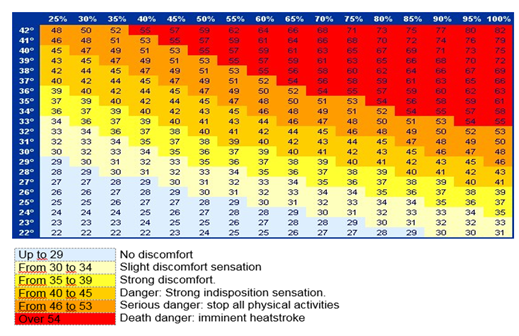
Do you want to know more about how to create optimal conditions for lactating sows?
About the author

Suzanne Hendrikx
Specialist Swine
Do you have any questions or would you like more information? Get in touch with Suzanne.