
Lower Protein Diets Without Compromising Pig Performance
Rethinking protein in modern pig nutrition
For many years, protein has been considered a key driver of pig growth and performance. However, advances in nutritional knowledge and amino acid technology are changing this perspective. Today, producers can increasingly reduce crude protein levels in pig diets while maintaining growth performance, provided that the correct balance of digestible amino acids is supplied. This approach offers opportunities to optimise feed costs, improve gut health and reduce environmental impact.

Lower Protein, Same Performance Through Amino Acid Optimisation
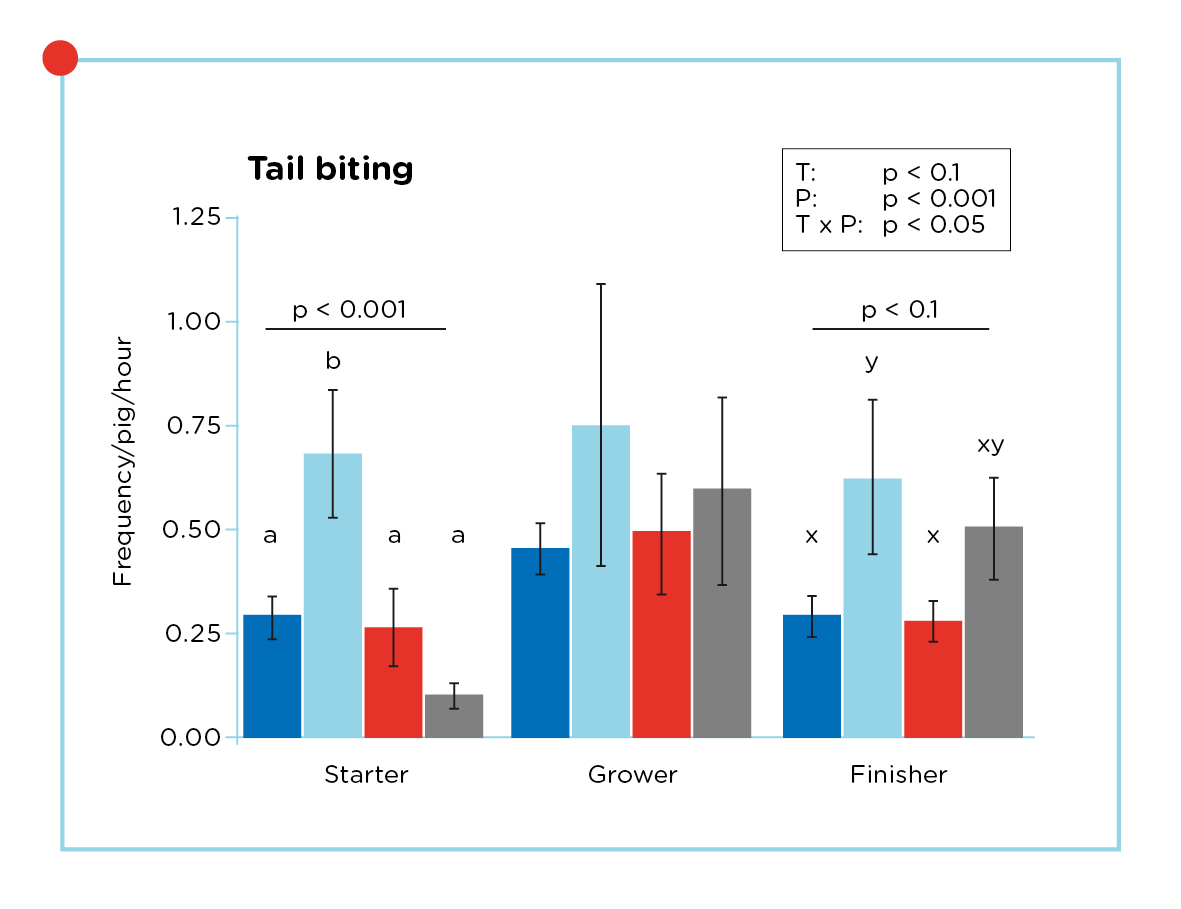
Reducing crude protein levels in pig diets can deliver significant benefits, but only when essential amino acid requirements continue to be met. The study compared different feeding strategies that varied in both crude protein content and amino acid supply, allowing researchers to evaluate the impact on growth performance and pig behaviour. Based on findings from Reducing protein levels in pig feed without losing performance.
Nutrition and Enrichment Should Work Together
Environmental enrichment can have a positive impact on pig behaviour, especially during the early growth stages. However, its effect may diminish over time if nutritional requirements are not fully met.
As pigs progress through the growing period, maintaining an adequate supply of essential amino acids becomes increasingly important. This suggests that enrichment measures should be viewed as a valuable complement to, rather than a replacement for, a well-balanced nutritional strategy.
By combining appropriate enrichment with precise nutrition, producers can support both animal welfare and long-term performance.
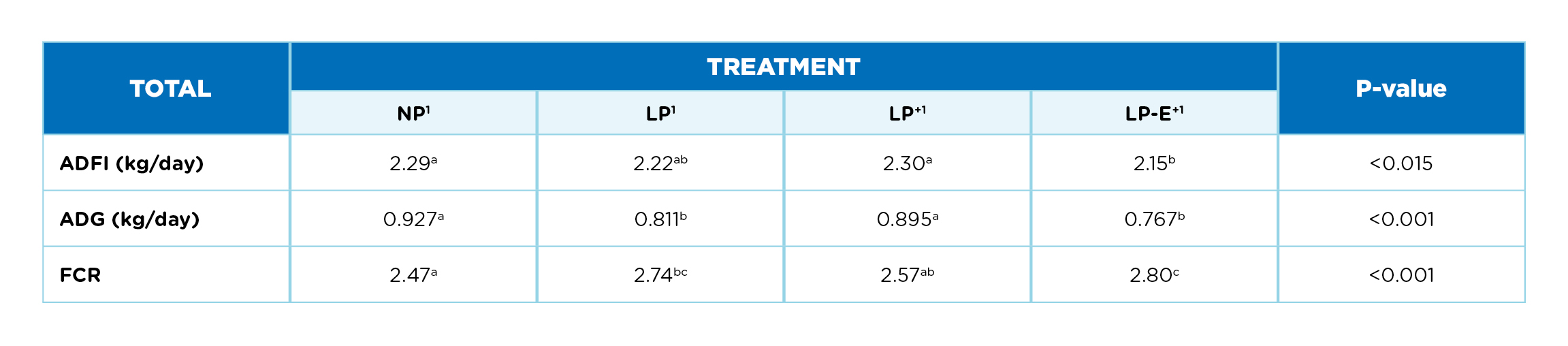
The right amino acid balance is essential for supporting pig health, feed efficiency and sustainable performance.
Precision Amino Acid Nutrition Creates New Opportunities
Optimising the amino acid profile of pig diets allows producers to reduce crude protein levels while maintaining growth performance and feed efficiency. This not only supports animal health and nutrient utilisation, but can also reduce nitrogen excretion and improve overall sustainability.
As feed formulation becomes increasingly precise and a wider range of amino acids becomes available, producers have more opportunities to balance performance, feed costs and environmental objectives within a single nutritional strategy.
Precision Starts with Consistent Feed Production
Reducing crude protein levels and optimising amino acid supply requires more than accurate formulation alone. To achieve the intended nutritional benefits, all essential amino acids must be present in the correct ratios and distributed consistently throughout the feed.
The effectiveness of a precision nutrition programme therefore depends not only on the formulation itself, but also on the quality of the feed manufacturing process. Ensuring reliable dosing, uniform blending and consistent nutrient distribution is essential to support predictable animal performance.
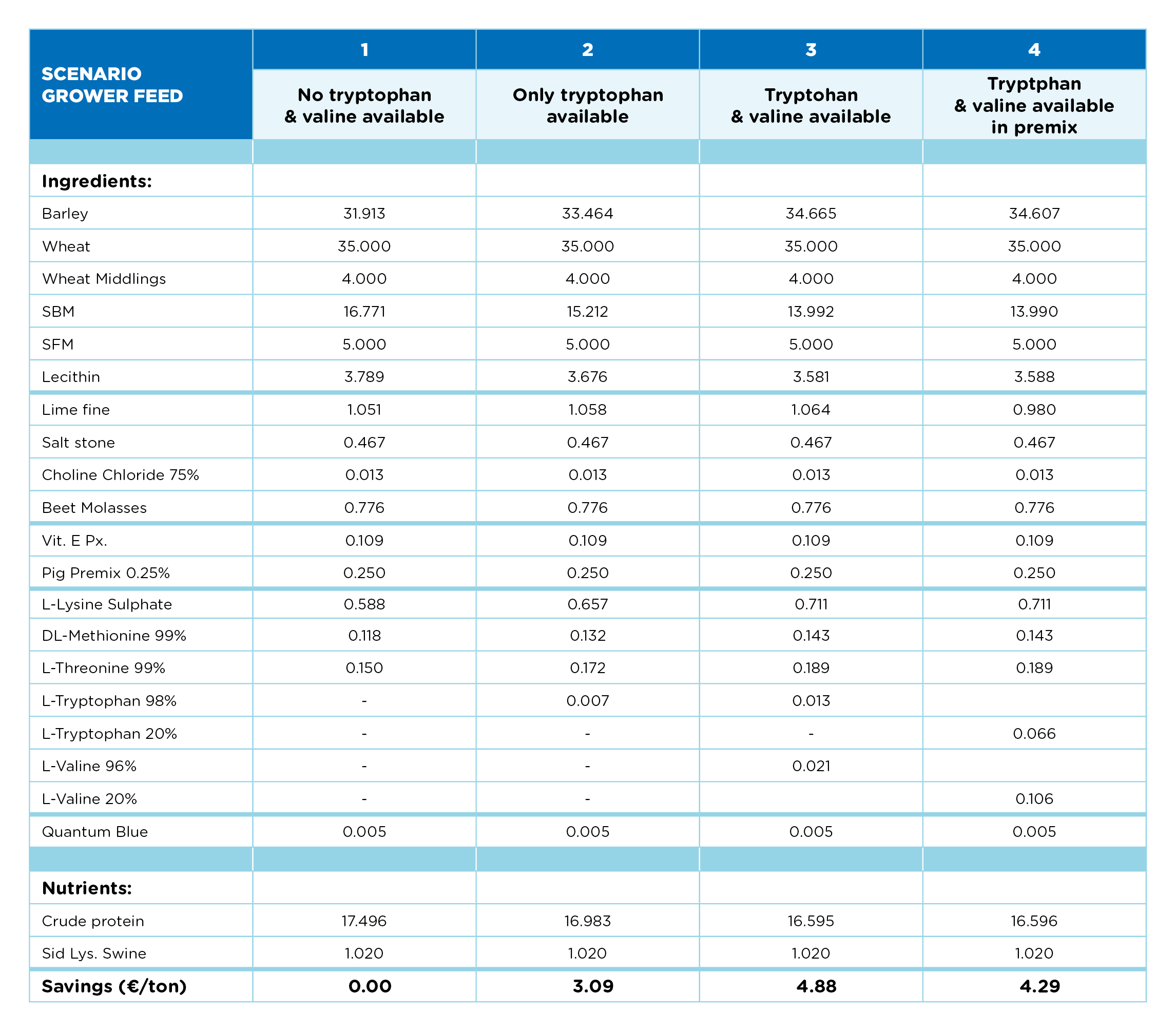
Particular attention should be paid when working with very small inclusion rates. Although modern dosing systems are highly accurate, achieving optimal homogeneity becomes increasingly challenging as inclusion levels decrease. In some situations, incorporating specific amino acids through a premix strategy may help improve mixing consistency and ensure a more uniform nutrient supply throughout the feed.
As shown in Table 3, strategic use of amino acids can contribute to improved feed cost efficiency. While the economic benefits will vary depending on market conditions, ingredient prices and individual production systems, the principle remains the same: the greatest value is achieved when nutritional precision is combined with consistent feed quality.
From Formulation to Farm Performance
The successful implementation of lower-protein diets depends on more than formulation alone. Combining nutritional knowledge, feed production expertise and practical on-farm application allows producers to maximise the value of precision amino acid nutrition.
When feed quality, amino acid balance and management practices work together, it becomes possible to achieve efficient, cost-effective and sustainable production without compromising animal performance.