
Preventing swine dysentery through nutrition and gut health management
Why swine dysentery remains a concern
Although swine dysentery is less common in some regions than in the past, it continues to pose a significant risk for grower-finisher operations worldwide. The disease can lead to severe diarrhoea, reduced growth performance, lower feed efficiency and increased mortality, directly affecting farm profitability. Effective control starts with understanding the interaction between pathogens, gut microbiota and nutrition. Rather than focusing solely on treatment, successful farms increasingly prioritise prevention through strong biosecurity and gut health management.

Understanding swine dysentery?
The importance of biosecurity and management
Experience from countries where swine dysentery prevalence has declined demonstrates the value of consistent management practices.
Several factors have contributed to improved disease control:
- Strong hygiene procedures
- Effective on-farm biosecurity
- Careful animal transport management
- Greater focus on intestinal health
- Control of other enteric pathogens such as Salmonella and Lawsonia
Feeding the microbiota
A healthy microbiota creates an environment that discourages the growth of harmful bacteria.
One important nutritional strategy is to stimulate beneficial bacteria that produce short-chain fatty acids (SCFAs), including butyrate and lactate producers. These compounds lower intestinal pH and help maintain favourable gut conditions.
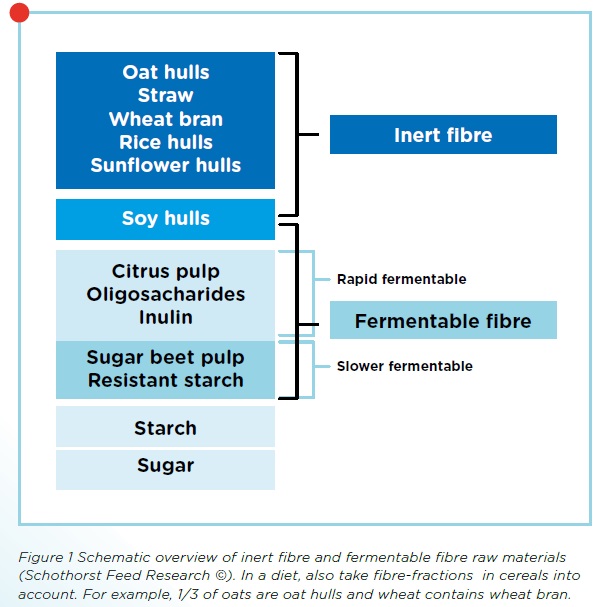
Finding the right fibre balance
Not all fibre sources behave in the same way.
Fermentable fibres support microbial activity and SCFA production, while inert fibres contribute physical structure in the digestive tract and support intestinal transit. Both play an important role in maintaining digestive stability.
Reducing nutrients available to harmful bacteria
Nutrition can also help limit the nutrients that pathogenic bacteria use for growth.
Several approaches can support this objective:
Improve starch digestibility
Highly digestible starch sources increase nutrient utilisation and reduce the amount of fermentable substrate reaching the large intestine.
Optimise protein supply
Excess dietary protein can increase the availability of undigested nutrients for undesirable bacterial fermentation. Formulations should therefore focus on supplying the correct digestible amino acid balance without oversupplying crude protein.
Use feed enzymes
Enzymes can support nutrient digestion and reduce the quantity of undigested material entering the hindgut.
Consider organic acids
Organic acids such as lactic acid and formic acid can contribute to a more favourable gut environment through pH reduction and antimicrobial effects.
The role of feed structure
Particle size is another important nutritional consideration.
Fine grinding generally improves nutrient digestion, while coarser fibre particles stimulate gut development and support beneficial microbial populations. A practical feeding programme should therefore balance digestibility with adequate physical structure.
Practical recommendations
To support intestinal health and reduce the risk of swine dysentery:
- Maintain strict biosecurity standards
- Focus on microbiota development from an early age
- Ensure smooth feed transitions throughout production
- Use balanced fermentable and inert fibre sources
- Optimise amino acid supply while avoiding excessive protein levels
- Consider strategic use of enzymes and organic acids
- Monitor feed intake and faecal consistency closely
Conclusion
Preventing swine dysentery requires more than controlling a single pathogen. Successful programmes combine biosecurity, nutrition and gut health management to create a stable intestinal environment that supports performance while reducing disease pressure.
By focusing on microbiota development, fibre balance and feed efficiency, producers can improve resilience, reduce losses and support long-term farm productivity. Based on the original article Managing swine dysentery in grower finisher pigs to reduce mortality and maximise performance.
About the author

Suzanne Hendrikx
Specialist Swine
Do you have any questions or would you like more information? Get in touch with Suzanne.